Skilled Carpenter Services: Enhance Your Property With Custom Woodwork Solutions
Skilled carpenter services deliver a range of custom woodwork solutions that can greatly enhance any space. With a focus on customized plans and superior craftsmanship, these professionals create functional and aesthetically pleasing environments. From custom-made bookshelves to sophisticated cabinetry, the possibilities are vast. Collaborating with skilled artisans can lead to unique features that reflect personal style. However, understanding the process and benefits is vital before beginning such a project.
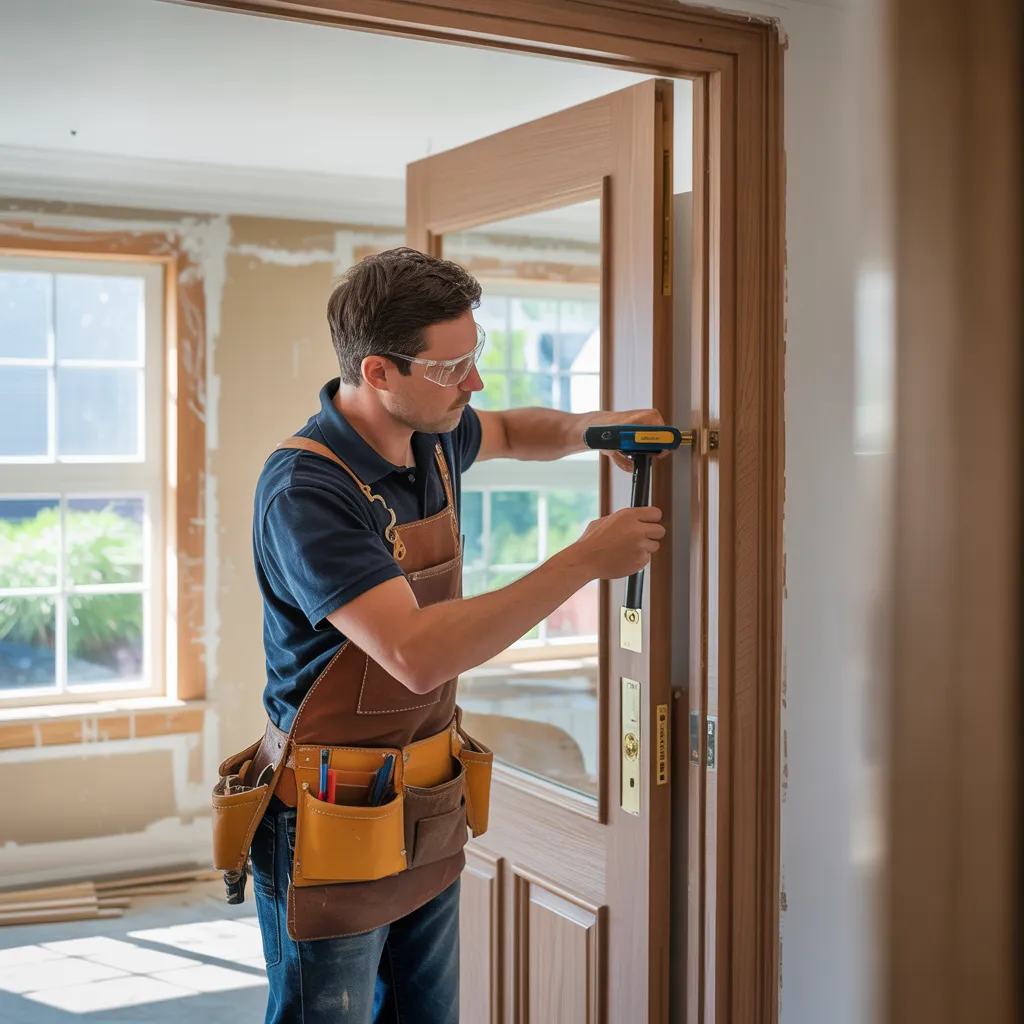
The Special Perks of Custom Woodwork for Your Space
Bespoke woodwork provides unique benefits that can convert any area into an expression of individual taste and practicality. One key benefit is the capability to adapt designs to exact dimensions and specifications, securing a flawless fit for any location. This adaptation not only amplifies aesthetic value but also enhances usability, supplying solutions that mass-produced products cannot rival.
Furthermore, custom woodwork commonly employs superior materials and craftsmanship, leading to robust and durable features. Such investment frequently turns out to be more financially sensible over time, as custom pieces can resist wear superior than mass-produced options.
In addition, collaborating with skilled carpenters allows for unique design elements, blending personal tastes and lifestyle needs. This results in spaces that are not only visually appealing but also highly functional. In the end, custom woodwork fosters a sense of ownership and pride, making any environment more welcoming and personalized.
Well-Known Custom Woodwork Projects: Bookshelves, Kitchens, and Decks
Various popular custom woodwork projects can remarkably elevate both the functionality and aesthetics of a home. Among these projects, custom bookshelves stand out as a practical solution for managing books and displaying decor. Tailored to fit any space, they can be built to match the home's style, from modern to rustic.
Kitchens also benefit substantially from custom woodwork. Customized cabinets enable property owners to enhance storage capacity and refine spatial arrangement, while providing a cohesive look that reflects personal taste. Whether featuring farmhouse charm or sleek modern aesthetics, custom woodwork enhances the overall ambiance.
Outdoor decks are another sought-after project, offering outdoor living space that can be personalized for entertainment or relaxation. Masterfully designed decks not only beautify the home's exterior but also deliver a durable area for gatherings. As a whole, these custom woodwork projects revolutionize spaces, adding value and personal touch to any home.
How Skilled Carpenters Turn Your Concepts into Reality
Professional woodworking craftsmen convert homeowner concepts into tangible realities through personalized design consultations. They utilize accurate construction practices to ensure every job achieves high standards of quality. Furthermore, the meticulous selection of quality materials enhances the strength and visual appeal of the finished project.
Personalized Design Meetings
What's the process skilled carpenters use to turn abstract ideas into real creations? By means of individualized design consultations, experienced carpenters work with clients in a collaborative approach that actualizes their concepts. Within these sessions, carpenters actively listen to clients' thoughts, desires, and utilitarian needs, ensuring a comprehensive grasp of the desired end product. They provide valuable insights and suggestions, drawing on their extensive experience to refine the initial concepts. Employing sophisticated design software, carpenters develop comprehensive drawings and models, enabling clients to envision the completed piece. This participatory technique not only promotes creative thinking but also cultivates trust and harmony between clients and carpenters. In the end, customized consultations are essential in creating distinctive woodwork solutions designed for personal preferences and needs, guaranteeing contentment with the final outcome.
Professional Craftsmanship Approaches
Transforming ideas into reality requires a mastery of meticulous workmanship approaches, which skilled carpenters employ to deliver impeccable results. These artisans leverage advanced tools and techniques to secure precise measurements and flawless cuts, vital for achieving a seamless fit in any project. Attention to detail is paramount; expert carpenters thoroughly plan each step, from sketching initial designs to executing complex joinery techniques. They expertly balance aesthetics with functionality, assuring that every piece of woodwork enhances the overall design while serving its intended purpose. Whether creating custom cabinetry or intricate moldings, their expertise in precision craftsmanship not only satisfies client expectations but often exceeds them, turning visions to life with unparalleled quality and artistry.
Quality Materials Selection
Choosing quality materials is a critical factor in transforming woodworking plans into reality. Professional woodworkers know that the selection of wood and other materials substantially influences the durability, appearance, and functionality of the final product. They thoroughly examine various wood types, considering factors such as grain patterns, hardness, and moisture resistance. By selecting high-quality materials, experienced carpenters assure that each project not only meets aesthetic desires but also remains durable over time. Additionally, they integrate earth-friendly and renewable materials, aligning with modern environmental preferences. This careful selection approach allows expert carpenters to transform client visions into tangible realities, resulting in custom woodwork that enriches rooms while expressing distinctive character and quality craftsmanship.
Picking Wood Materials for Your Bespoke Woodwork
When starting a custom woodwork project, choosing the right materials is crucial to achieving both aesthetic appeal and functional durability. Various types of wood, such as hardwoods and softwoods, provide distinct qualities. Hardwoods, like oak and maple, are noted for their strength and longevity, making them well-suited for furniture and cabinetry. Softwoods, such as pine and cedar, are generally more affordable and easier to work with, ideal for decorative elements or less demanding applications.
Along with wood types, elements such as grain patterns, color, and finish are crucial in aligning with the overall design vision. Environmental elements, including humidity and temperature, should also guide material choices to guarantee stability and longevity. In the end, a careful selection of materials not only improves the visual character of the project but also reinforces its structural integrity and lifespan, securing a successful custom woodwork outcome.
The Woodworking Process: Step-by-Step Guide Beginning With Design to Installation
The carpentry process begins with an introductory consultation and planning phase, where clients review their desires and preferences. Next, design development takes place, culminating in client approval before advancing to the installation stage. Each step is critical in making certain that the final product fulfills the desired specifications and quality standards.
Primary Consultation And Organization
Before starting on any carpentry project, an initial consultation and planning phase is necessary to verify that the client's vision is accurately captured. During this phase, the carpenter engages with the client to discuss their thoughts, preferences, and specific requirements. This conversation helps establish a clear understanding of the project scope, timelines, and budget constraints. The carpenter may review the existing space and identify any challenges that need to be addressed. Additionally, gathering measurements and exploring material options guarantees that the project aligns with the client's expectations. This foundational step not only fosters clear communication but also lays the groundwork for a successful design process, ultimately leading to a rewarding and cohesive final product tailored to the client's unique needs.
Design Development And Approval
Converting early concepts into physical designs marks the next stage in the carpentry process: design development and approval. During this crucial phase, carpenters work closely with clients to refine designs, guaranteeing that each aspect aligns with the envisioned outcome. This often involves creating detailed drawings and 3D renderings, allowing clients to visualize the final product. Feedback is integral, as it enables adjustments to be made before moving forward. The approval process ensures that all specifications, materials, and aesthetics meet the client's expectations. Once consensus is reached, the designs are finalized, paving the way for the next steps of the project. This meticulous approach not only improves client satisfaction but also sets a solid foundation for successful execution.
Skilled Installation Method
After the design receives approval, the professional installation process starts, confirming that the crafted pieces are executed with care and precision. To begin, the installation team readies the site, assessing and preparing the area to accommodate the new woodwork. Then, they meticulously transport the custom pieces to the location, reviewing each for quality before installation. The team then applies a systematic approach, leveling, aligning, and securing the components to ensure a perfect fit. Detailed focus is vital, as adjustments may be necessary to confirm seamless integration with existing structures. Finally, once installed, the team conducts a meticulous inspection and clean-up, leaving the space ready for use while making certain the craftsmanship meets the highest standards of quality and satisfaction.
Identifying the Right Carpenter for Your Wood Crafting Project
How does one ensure they pick the perfect carpenter for their carpentry project? Picking the best carpenter involves detailed consideration of numerous factors. First and foremost, prospective clients must review the carpenter's experience level and portfolio, making certain their previous projects align with the desired approach and difficulty level. Furthermore, it proves advantageous to obtain suggestions from contacts or examine digital reviews to assess customer happiness and trustworthiness.
Additionally, checking credentials, such as licenses and insurance, is crucial for shielding oneself from possible liabilities. Open communication is essential; clients should talk about their vision and ask appropriate questions about the carpenter's method and timeline. Obtaining multiple quotes can provide insight into the market rate and help identify the most favorable value. Ultimately, trust one's instincts—choosing a carpenter who exhibits professionalism and enthusiasm for the project can create a more successful collaboration.
What You Should Expect: Timeframe and Pricing for Custom Woodwork?
Comprehending the schedule and expenses connected to custom woodwork is vital for clients starting on their projects. Generally, the timeframe for custom woodwork can range from a few weeks to several months, contingent upon the complexity and scale of the project. Initial consultations, design drafts, material procurement, and crafting all add to this period.
Expenses may differ substantially based on factors such as the variety of wood, complexity of the design, and labor involved. On average, clients might expect to spend between $50 to $150 per hour for skilled carpentry services, in addition to material costs that can range from $10 to $100 per square foot.
It is advisable for clients to secure thorough estimates and timelines from their selected carpenter to guarantee a thorough understanding of the project's scope and budget, facilitating a smoother execution of their custom woodwork vision.
Questions & Answers
What Types of Wood Are Best for Custom Projects?
Hardwoods like oak, maple, and cherry are ideal for custom projects due to their durability and aesthetic appeal. Additionally, softwoods like pine and cedar are widely used due to their workability and adaptable design options.
Can Custom Woodwork Improve My Residence's Value?
Custom wood elements can remarkably enhance a property's worth by enhancing appearance quality and functional value. Skillfully constructed wood components often captivate potential buyers, making residences notable in the market and validating elevated listing values.
How Do I Maintain My Custom Woodwork?
To preserve read this article custom woodwork, consistent dusting is vital. Periodic cleaning with a mild soap solution preserves finish. Putting on a suitable wood polish several times yearly boosts gloss, while moisture control prevents damage and deterioration.
Are There Sustainable Wood Options Available?
Yes, eco-friendly wood options are available, including certified sustainable timber, bamboo, and reclaimed wood. These materials reduce environmental impact while providing both visual appeal and long-lasting quality, rendering them ideal options for custom woodworking projects.
Which Woodwork Styles Are Trending Right Now?
Today, trending woodwork styles feature minimalist Scandinavian aesthetics, rustic farmhouse aesthetics, and sleek modern finishes. In addition, reclaimed wood and bold, geometric patterns are building popularity, reflecting a combination of sustainability and contemporary design preferences.